Following curiosity towards lasting change - The Churchill Fellowship

Following curiosity towards lasting change

Sitting at the airport in Vancouver on the final leg homewards from eight weeks away on my Churchill Fellowship, I’m feeling reflective about my journey. Most of all, I am feeling so grateful to have had the opportunity. If I had to summarise my experience in just one word, there is a standout winner for me: curiosity.

Having time away from a busy family and professional life to meet people and organisations in my field – and to really listen, absorb, and ask questions about all they’re doing – has been a greater treat than I could ever have imagined. Countless times, I felt childlike and unburdened, with a sense of sheer joy from having the space to be curious, ask questions, and observe work that I’ve never seen in the UK before.

I work in a local authority in Sheffield with care-experienced children and young people. My life’s work to date has been in advocacy roles, with 15 years proudly coordinating collective creative advocacy voice groups for children with care experience aged 7-25.

Through this work, I had seen countless young people thrive in the voluntary advocacy group space, and yet often struggle to gain and sustain employment. In the voluntary groups, young people showed such a range of skills and potential – developing creative projects, training staff, and even opening conferences as keynote speakers – yet for many, these skills didn’t seem to translate to the ‘real world of work’, and jobs and further education proved difficult to sustain over the longer term.

In response, I’ve spent the last three years piloting a new model for care-experienced young people to be employed in voice, influence, and change roles. The aim was to create roles where young people with lived experience could work alongside colleagues with similar lived experiences, build up their hours over time, have a mentor, and work towards a qualification.

"Having time away from a busy family and professional life to meet people and organisations in my field has been a greater treat than I could ever have imagined."

In many ways, the team was a huge success, with high-quality outputs, all five workers moving on to other roles, and core funding pledged by the council for the next cohort. However, evaluating the first version of the project left me with as many questions as it answered.

I applied for the Churchill Fellowship to give me the opportunity to pack my bags and take these questions with me on tour: How can lived-experience roles be set up in the most psychologically safe way possible? How can they support career development and progression? And how can organisations make sure the wider voices gathered through these roles lead to real systemic change?

I took six weeks to visit organisations, researchers, and incredible young people across Australia, New Zealand, and Canada who are creating paid lived-experience roles for those with care experience.

I found these questions resonated strongly with those I met and saw outstanding work in these countries that left me deeply inspired by what is possible when organisations have a clear vision and put those with lived experience at the heart of what they do. In Melbourne, Victoria, for example, the government and voluntary sector were working hand in hand with both each other and care-experienced young people in paid board positions to research, shape policy, and navigate challenges together.

Across the visits, the same openness kept appearing. Organisations, staff, and young people were embracing curiosity at every stage of their work. I saw organisations think carefully about how to acknowledge the culture of Indigenous people, ensuring this shaped and was ever-present in their work.

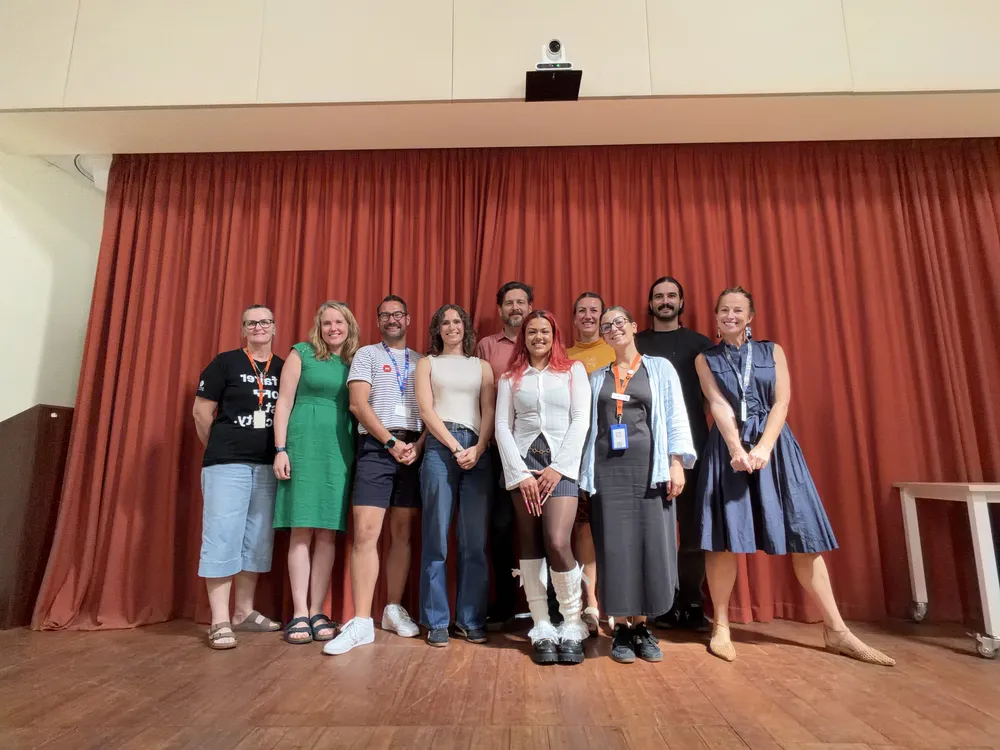
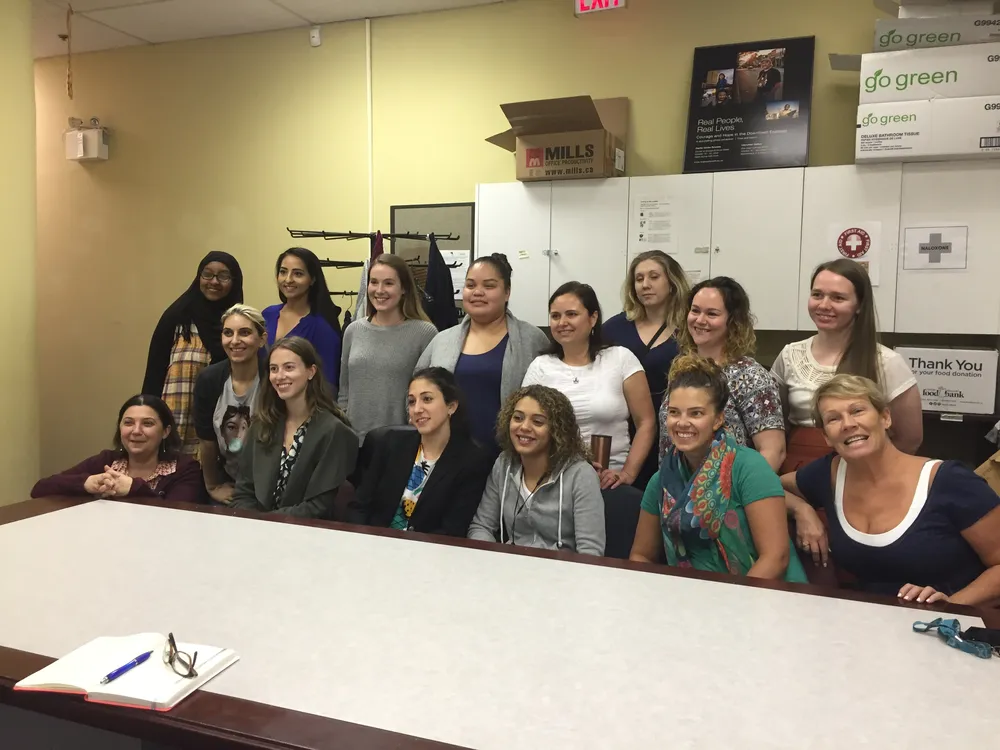
With the team at The Brothers of St Lawrence in Melbourne, learning about their work with care experienced children and young people in Melbourne, Australia. Download 'Clare Holdsworth IMG_0387'

In Australia, all meetings I attended began with an Acknowledgement of Country and recognition that Aboriginal and Torres Strait Islander people are the true owners of the land. In New Zealand, VOYCE’s advocacy conference was planned with and for 200 care-experienced children and young people, with Māori language and customs at the heart of it. In Canada, at The McCreary Centre Society, I saw specific learning programmes and ongoing employment offers ring-fenced for Indigenous young people, recognising that their needs were different from their white counterparts.

In all three countries, there was a willingness to be endlessly curious, to improve, and tweak what was being done. Hard questions were asked and difficult conversations were approached with curiosity, placing those who have traditionally been excluded from conversations and ‘done to’ at the centre of decision making, and ensuring work is ‘done with’ them.

Seeing this translate to care-experienced young people, Indigenous people, and those lower down in the hierarchy of the organisations I visited was, at times, emotional. It showed what is possible when we embrace humble curiosity and leave egos and hierarchy at the door.

Returning to Sheffield, I have a clearer sense of what safe, meaningful lived-experience employment can look like. This September, I will be sharing case studies and insights from the professionals and young people I met during my Fellowship at a seminar, creating a two-way space to reflect on learning from further afield alongside the phenomenal practice already happening in the UK.

I will also use it to gather views on what kind of practical tool could help organisations develop lived-experience team models that are psychologically safe, impactful, and genuinely supportive of young people’s long-term careers – continuing to ask questions with young people, not just about them.

Disclaimer

The views and opinions expressed by any Fellow are those of the Fellow and not of the Churchill Fellowship or its partners, which have no responsibility or liability for any part of them.

Related

Blogs & conversations

In conversation with Ali Zafar: Redefining financial literacy and shaping policy

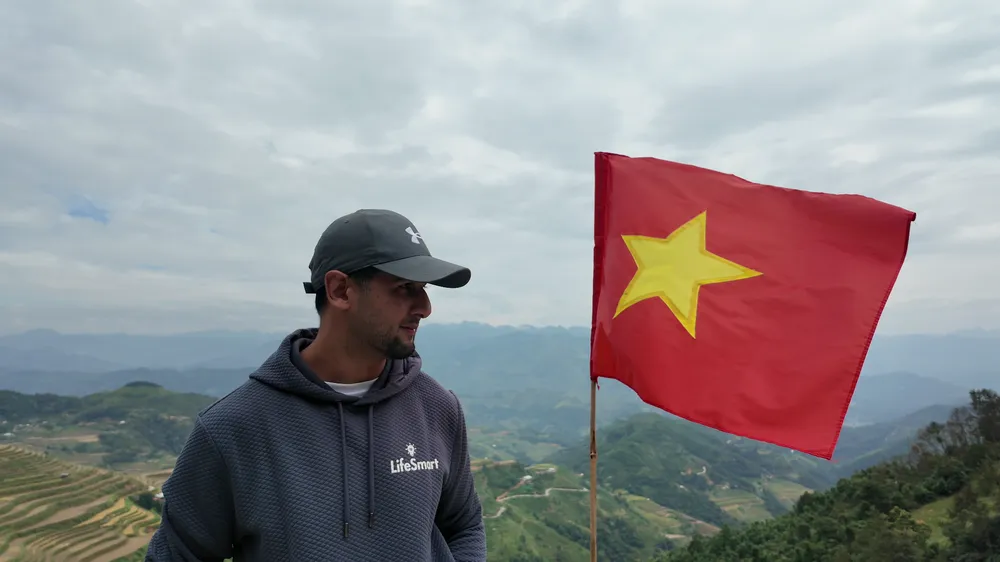
We spoke to Ali Zafar about how his Fellowship is shaping new approaches to financial education in the UK. After already founding LifeSmart, Ali used his Fellowship to explore why financial literacy remains low, learning from systems in Singapore, Vietnam, and Bali. His research has led to a new framework for understanding how financial capability develops, and has already informed updates to his work and contributions to UK policy discussions. Ali is now finalising his report and developing resources to share his findings across government, charities, and the private sector.

By Ali Zafar,

Blogs & conversations

The shared legacy supporting kinship carers

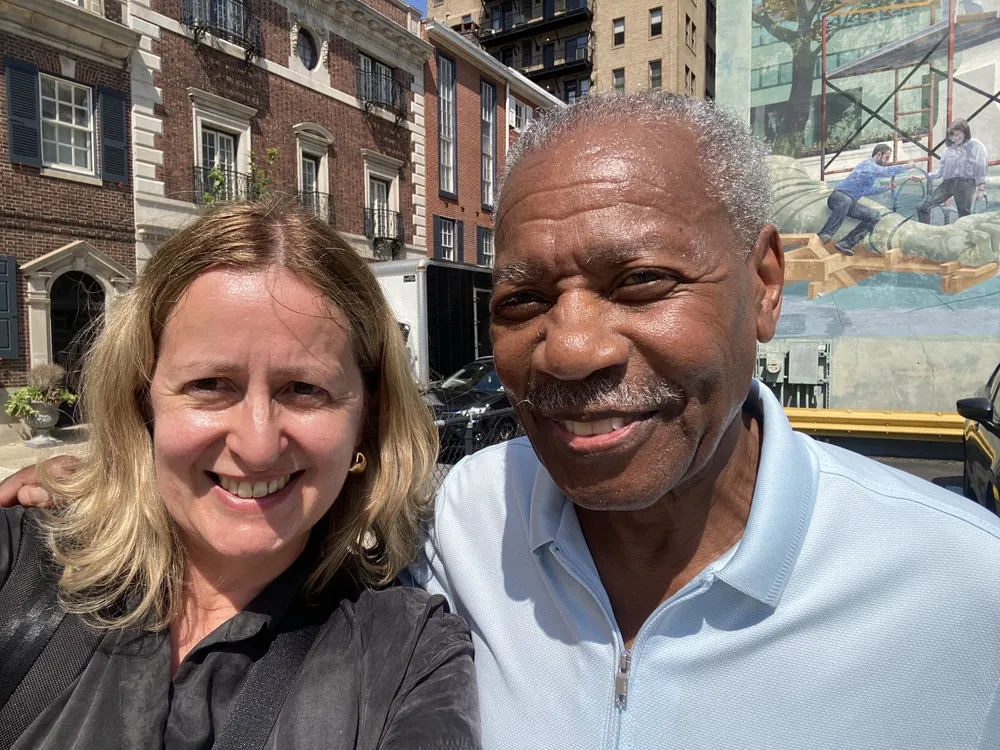
We spoke to Lucy Peake, Churchill Fellow and CEO of Kinship, about how her Fellowship is shaping support for kinship carers in the UK. Travelling to the USA, she explored kinship navigator programmes and found strong parallels with Kinship Connected, the support model developed by her organisation. Her learning is now informing new trials and partnerships, with the aim of building stronger evidence and securing long-term investment in kinship care – helping to shape a more consistent, better-supported system for kinship families.

By Lucy Peake,

Blogs & conversations

Building together: rethinking teacher wellbeing and career sustainability

During her Churchill Fellowship in Ghana, Dr Chiedza Ikpeh explored how teacher wellbeing grows through community, adaptability, and shared responsibility. Speaking with teachers, she how collective approaches help educators thrive, even in challenging conditions. Witnessing this resilience reshaped how she understands teaching and what allows careers to be sustained over time, and Chiedza is now bringing this learning into her research and development work with teachers across the UK.

By Chiedza Ikpeh,

Blogs & conversations

Following the questions: a Fellow's journey

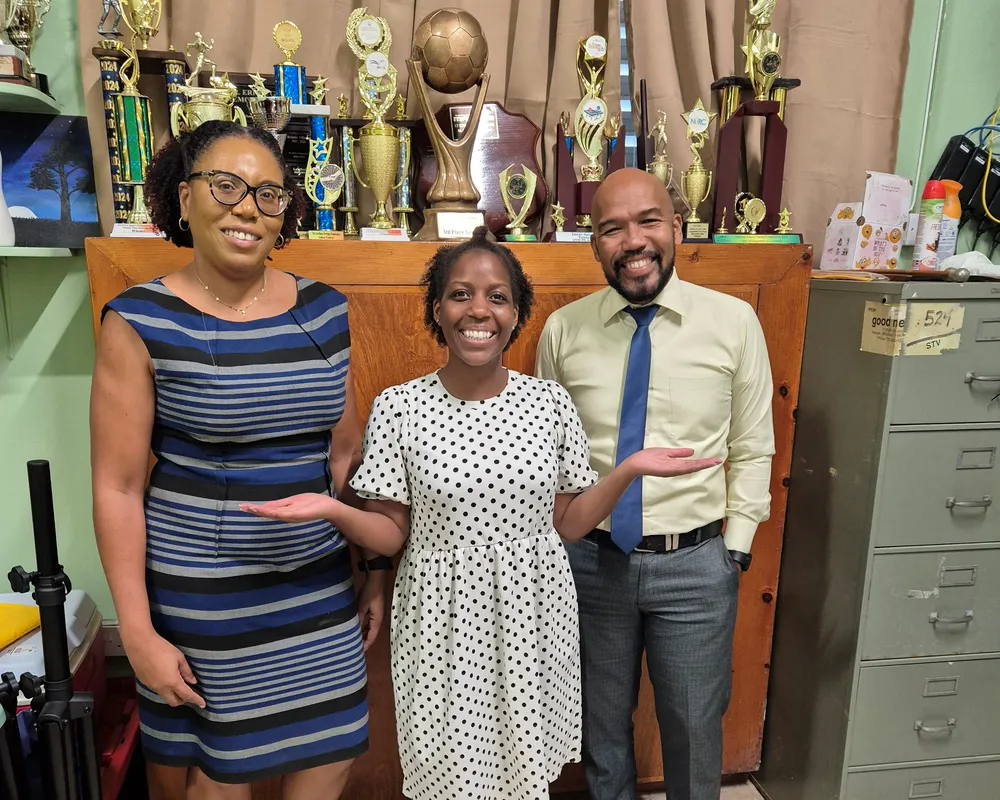
From an off-the-cuff question as a teacher to lasting change across policy and practice, Sarah Beresford traces how curiosity shaped her Churchill Fellowship and everything that followed. She reflects on learning from other countries, turning insight into action, and how asking the right questions has helped centre children’s voices in the criminal justice system.

By Sarah Beresford,

Newsletter Sign Up