By Rachel Cole, 2025
Children and young people
About this theme
This theme covers topics relating to the protection, development and wellbeing of children and young people in society. It is an area of enduring interest that runs throughout our grantmaking. Fellows’ stories


Scott Darraugh (CF 2025) spoke at an online Social Club event about his Fellowship research into approaches to fostering and support for care leavers in the USA.
By Scott Darraugh, 2026

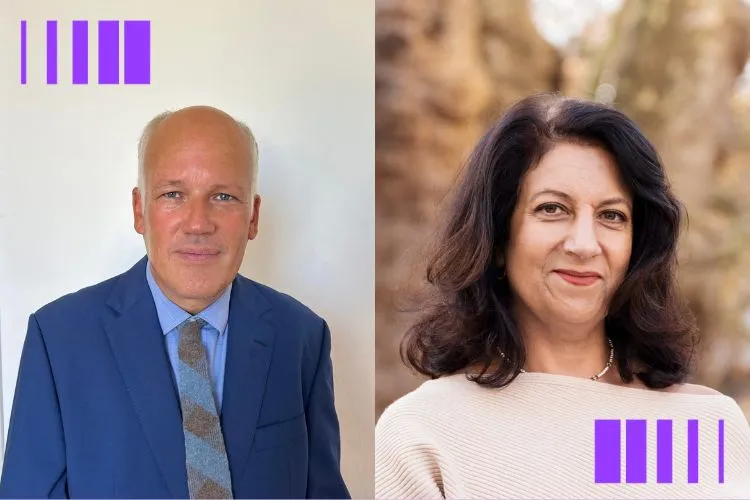
Monica Lakhanpaul (CF 2024) was appointed joint Pro-Vice-Provost for UCL's new Grand Challenge of Intercultural Communication, alongside Professor Florian Mussgnug.
By Monica Lakhanpaul, 2026


Terri-Anne Hamer (CF 2025) presented at the Consortium for Therapeutic Communities’ annual international conference, sharing work from the Voices of Care Leavers project.
By Terri-Anne Hamer, 2026

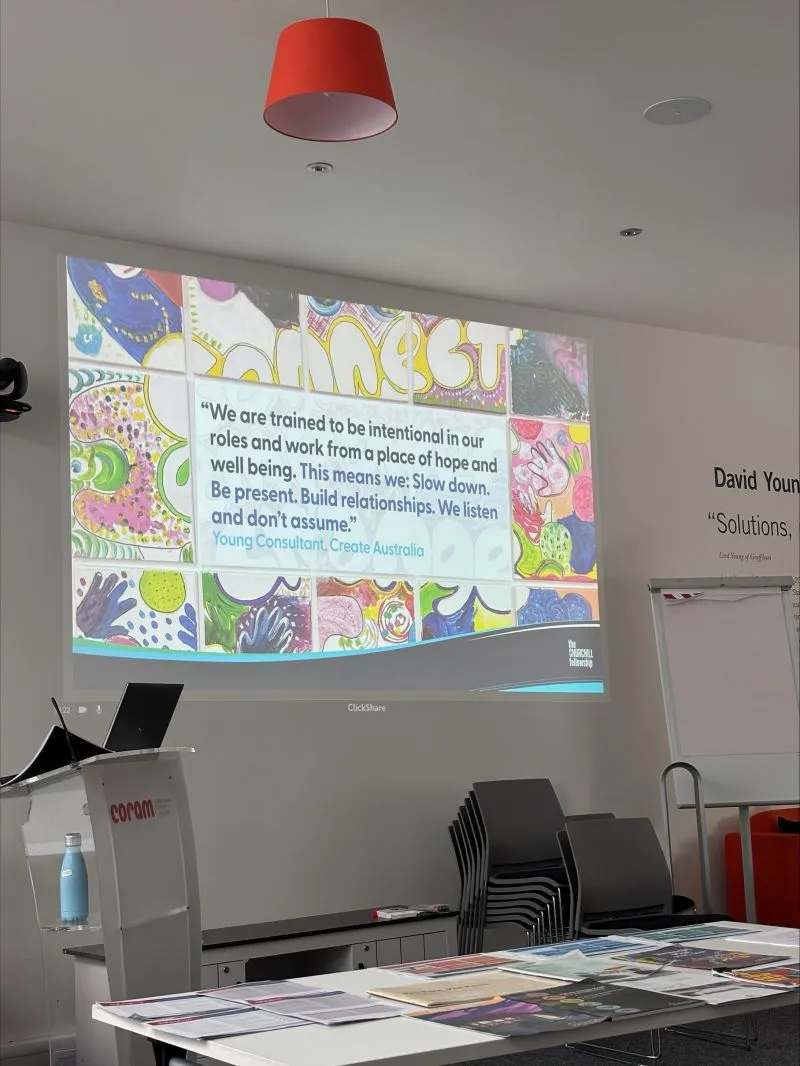
Clare Holdsworth (CF 2025) presented findings from her Fellowship at an event hosted by Coram Voice, bringing together representatives from the Department for Education, Ofsted, local authorities, and other organisations.
By Clare Holdsworth, 2026

Terri-Anne Hamer (CF 2025) appeared on the 100th episode of The Messy Social Work Podcast, discussing care experience, loneliness, identity, and parenting.
By Terri-Anne Hamer, 2026

Sonia Shaljean (CF 2025), founder of Lads Need Dads, gave evidence to the Boys’ Education Commission about the challenges facing boys in education.
By Sonia Shaljean, 2026

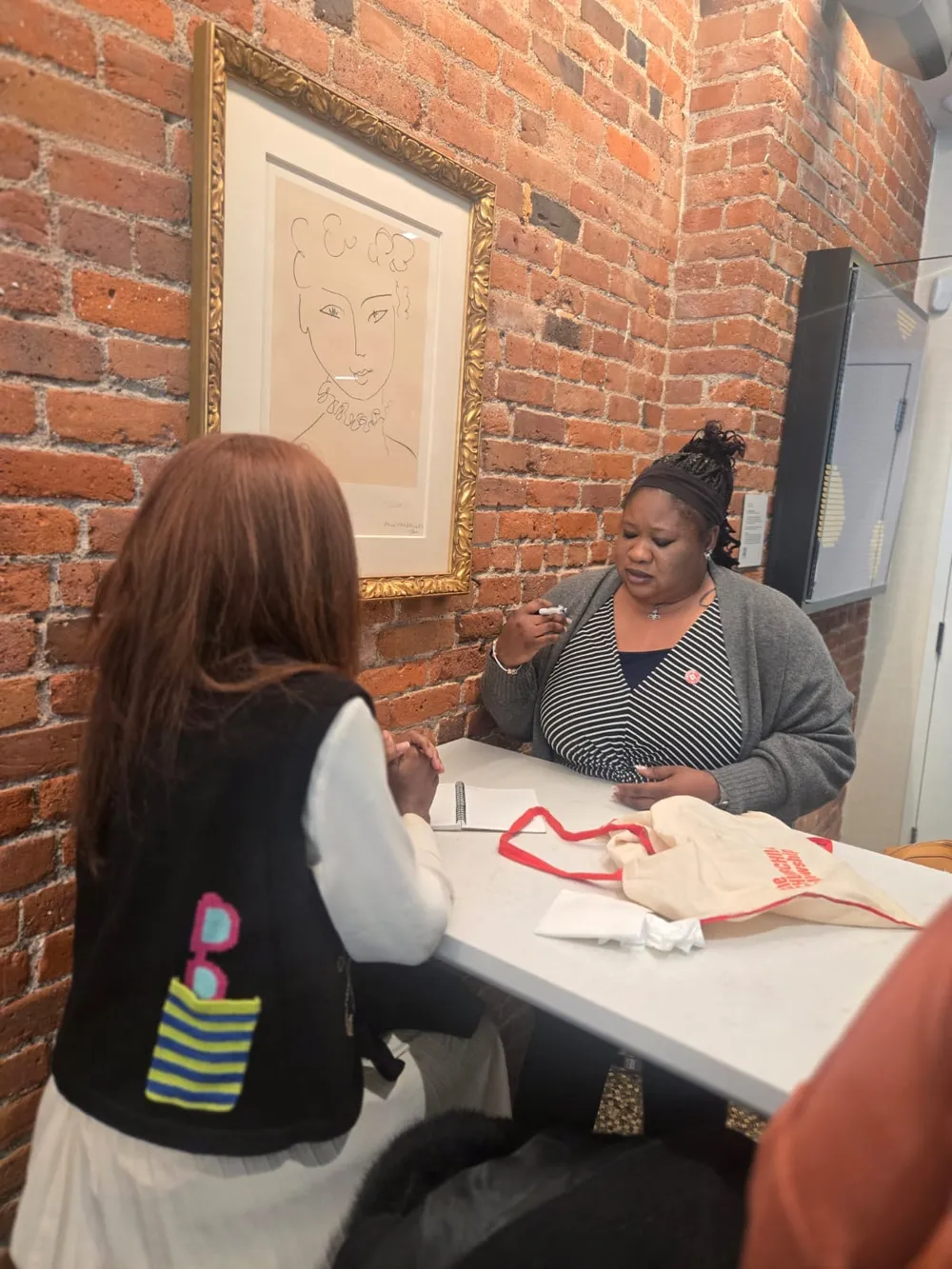
We spoke to Ehinor Otaigbe MBE about how her Churchill Fellowship is shaping her work to support African women and children affected by domestic abuse. Drawing on her own experience, her work through Wonderfully Made Woman, and learning from organisations in Nigeria, Atlanta, and New York, Ehinor reflects on why children’s trauma must not be treated as an afterthought in domestic abuse support. She shares how her Fellowship is helping her shift conversations in the UK, working with faith and community leaders to support women and children to heal and move forward.
By Ehinor Otaigbe, 2026

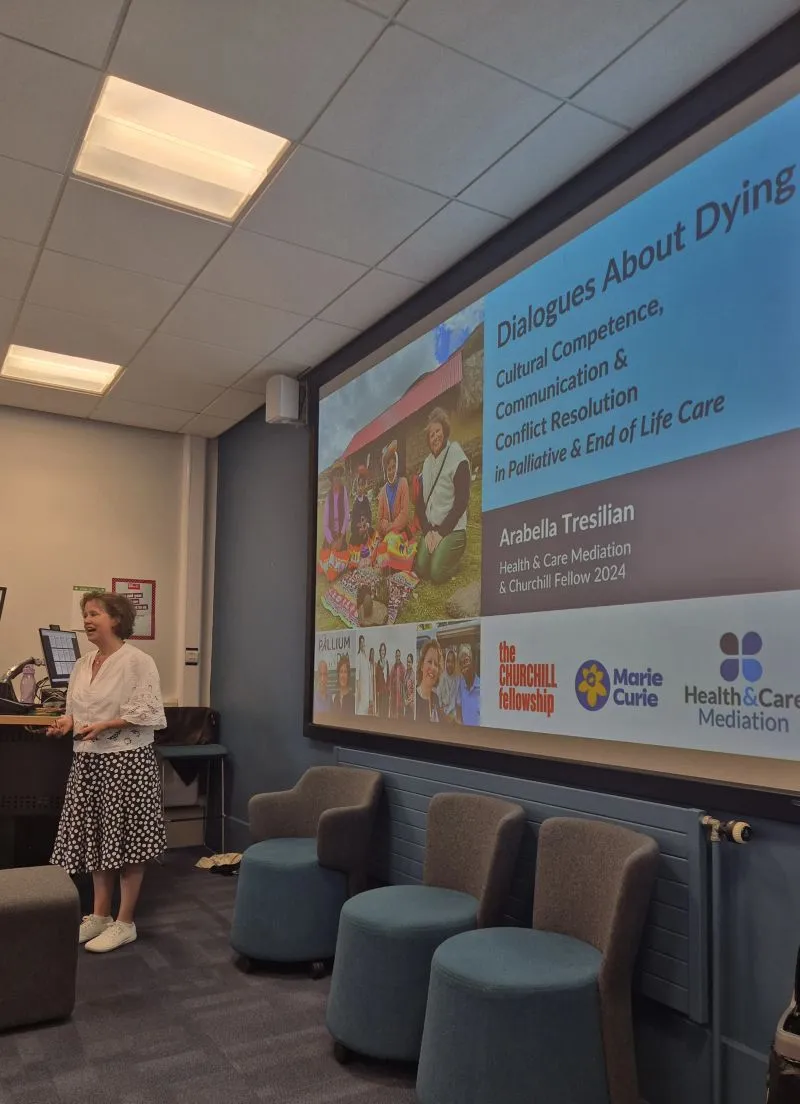
Arabella Tresilian (CF 2024) shared learning from her Fellowship on culturally responsive conversations at the end of life with health and care professionals studying the Complexities of Supportive, Palliative and End of Life Care module at the University of the West of England and the Centre for Education & Research at Dorothy House.
By Arabella Tresilian, 2026

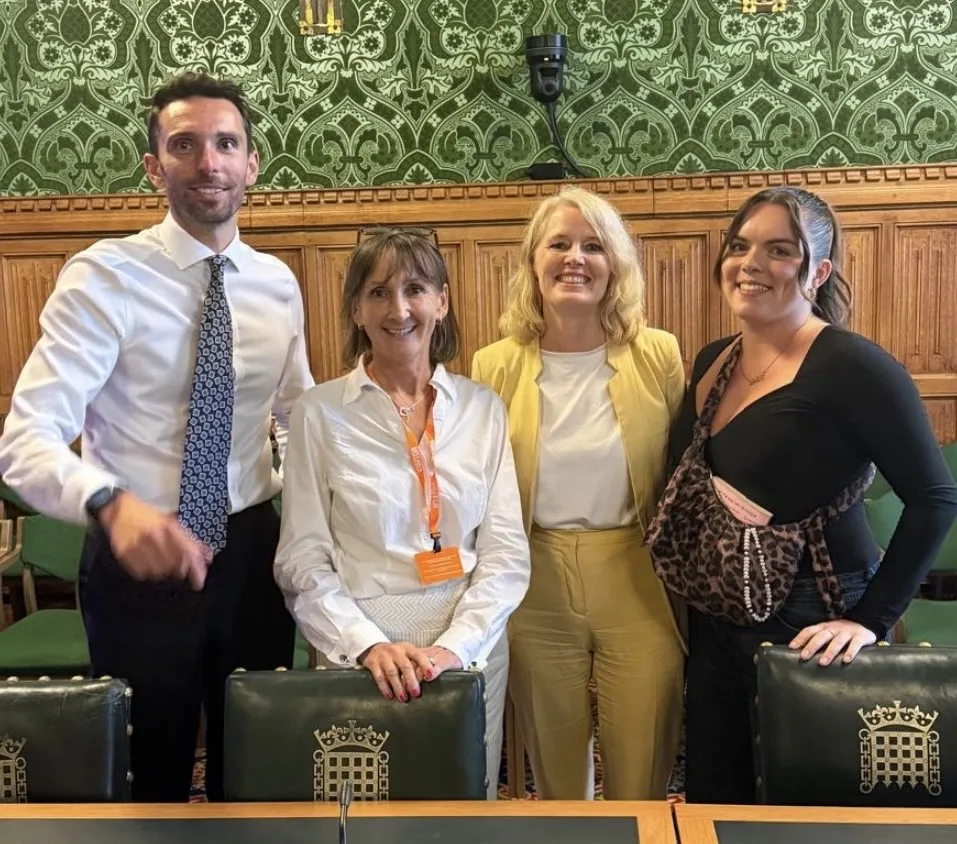
Nicola Kalisperas (CF 2026) met Children’s Minister Josh MacAlister MP, Jo White MP, Department for Education representatives, and foster carer campaigner Rae Mortimer at the Houses of Parliament to discuss the needs of babies experiencing separation, loss, and transitions in care.
By Nicola Kalisperas, 2026