Launching a whole society blueprint for suicide prevention - The Churchill Fellowship

Launching a whole society blueprint for suicide prevention

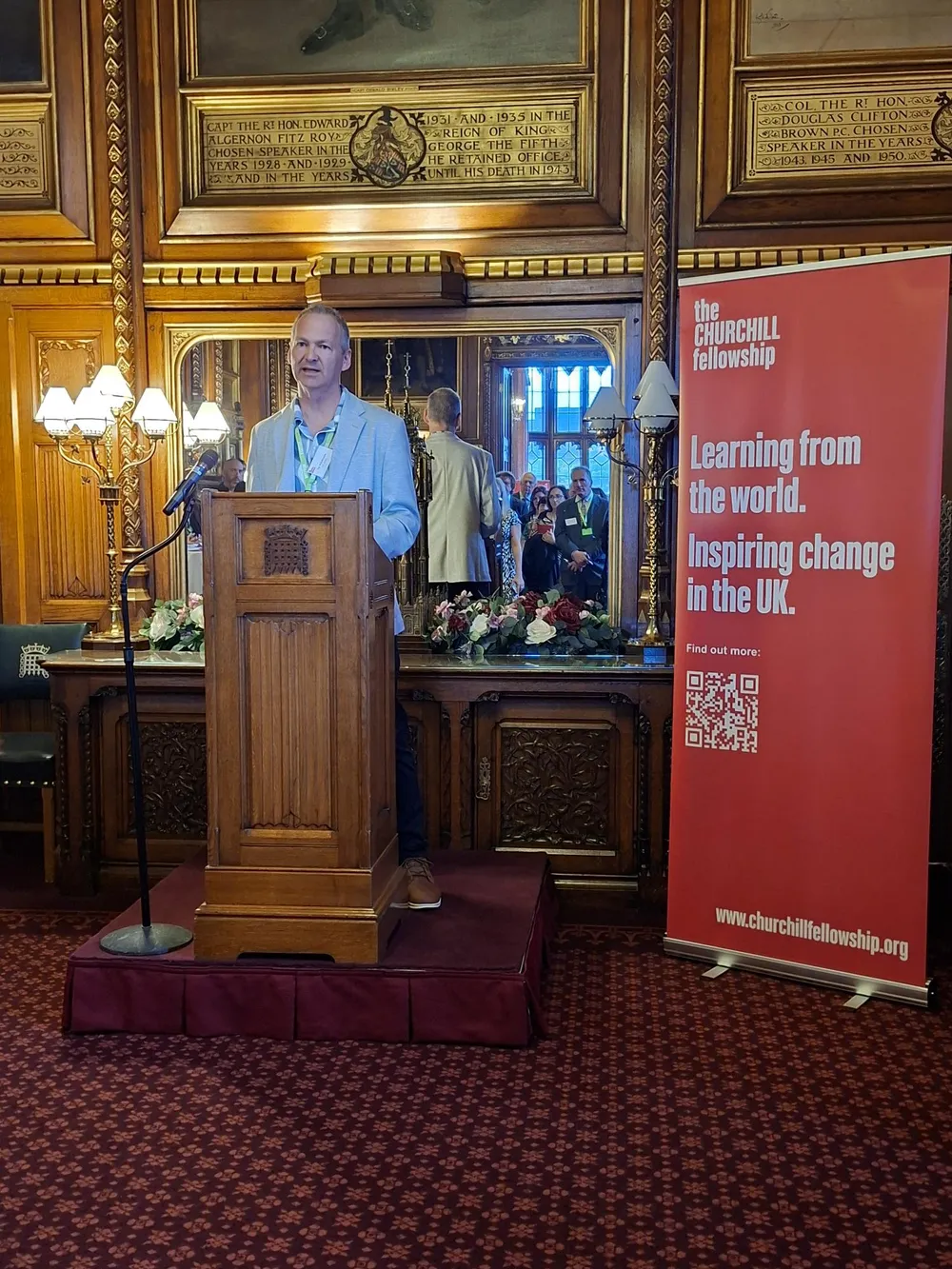
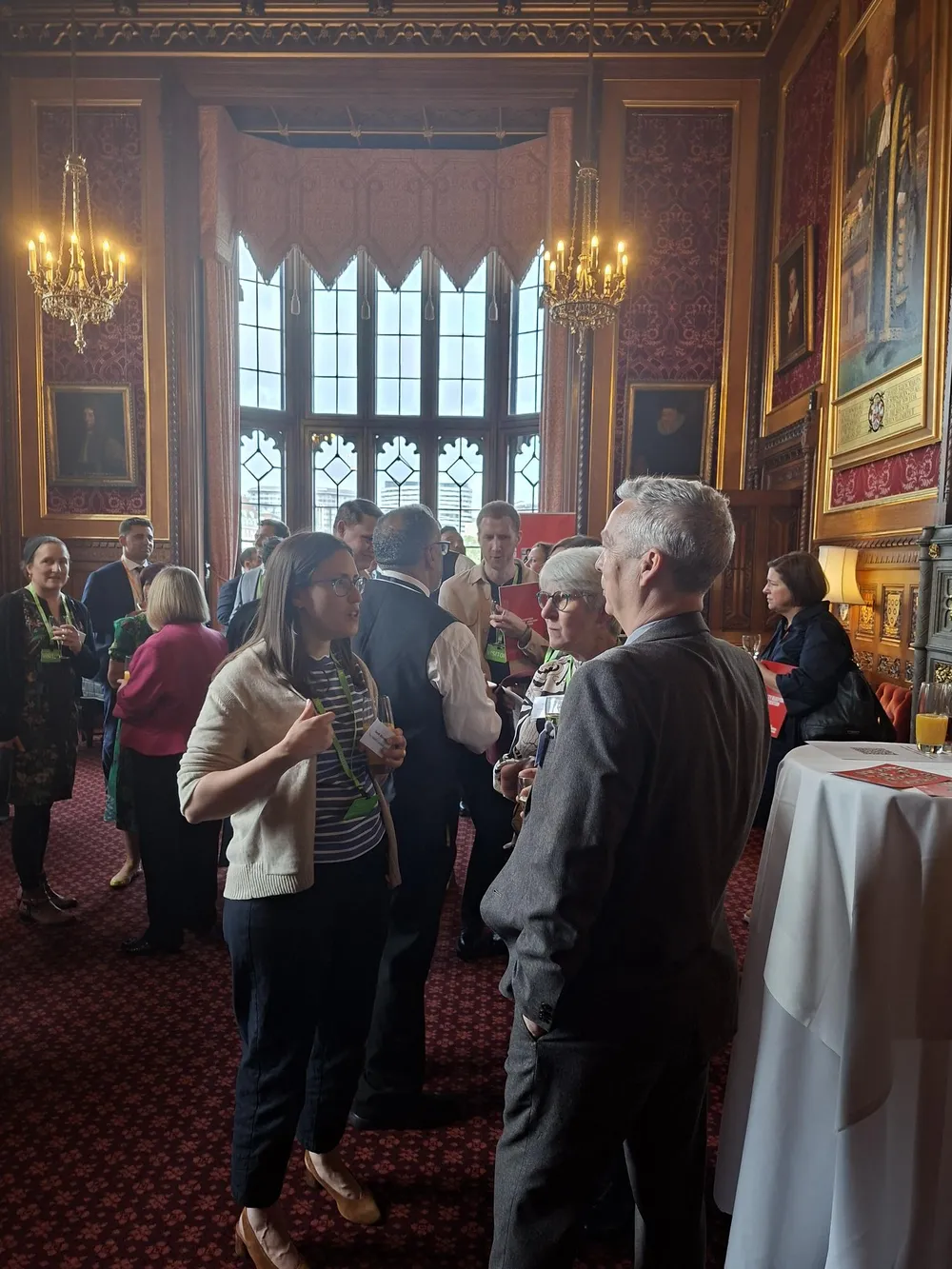
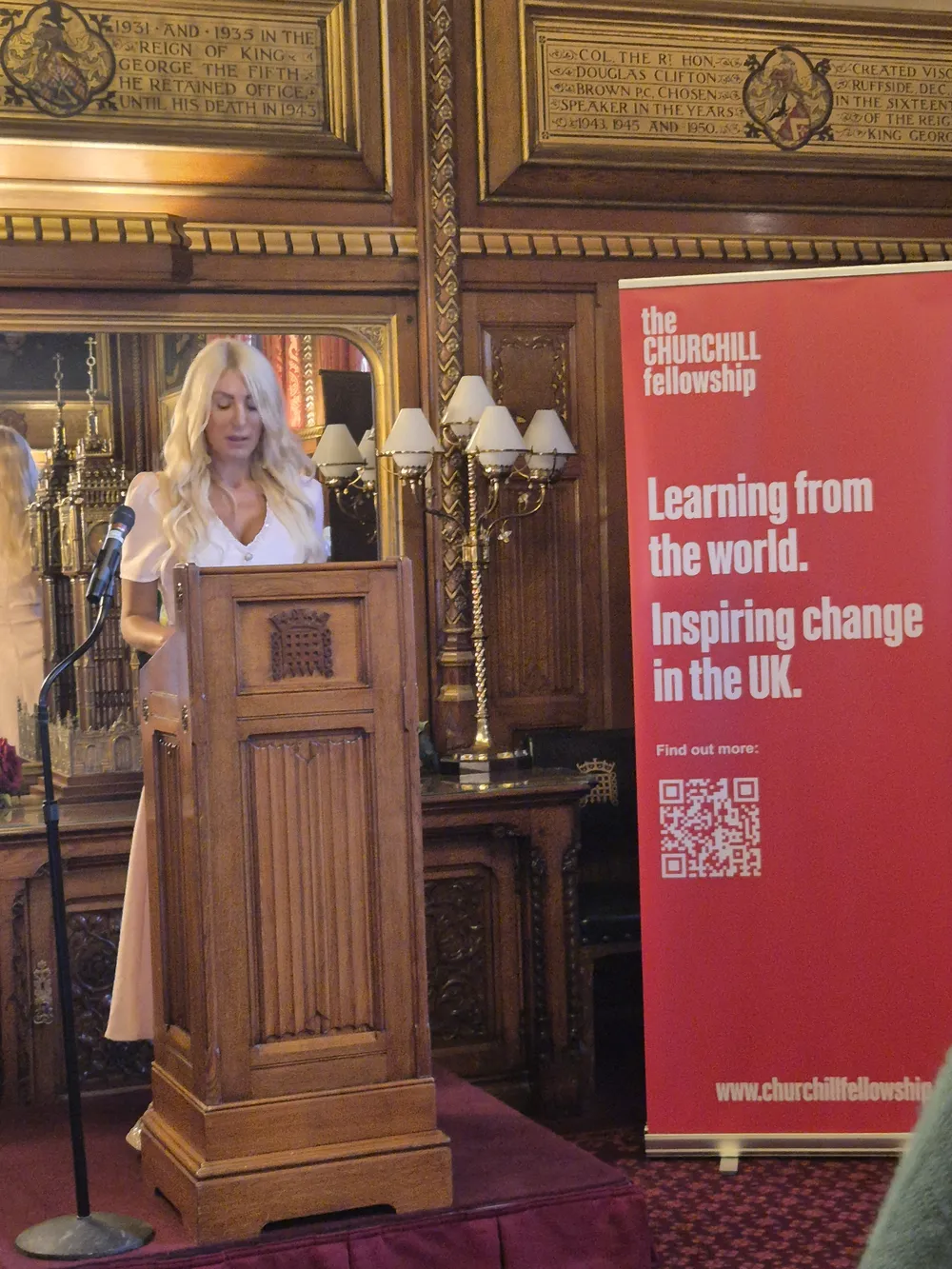
We recently brought together Fellows, partners, policymakers, and practitioners in Parliament to launch A Whole Society Blueprint for Suicide Prevention.

We are very grateful to everyone who joined us, and to our speakers: Liz Twist MP, Chair of the APPG on Suicide and Self-Harm Prevention; Neil Hudson MP, Shadow DEFRA Minister; Juliet Lyon, a member of the Churchill Fellowship Advisory Council and former Chair of Independent Advisory Panel on Deaths in Custody.

They spoke alongside Nina Smith (CF 2023) and Tim Woodhouse (CF 2023), two of the 28 Churchill Fellows whose work features in the report, who shared how they are putting their ideas into action and reflected on the impact of the Fellowship on their work.

The new report shares practical learning from Churchill Fellows who explored approaches to suicide prevention, intervention, and postvention around the world, and highlights ideas that could help strengthen support across the UK.

The Churchill Fellowship launched its Suicide Prevention Programme in 2019, with generous support from The John Armitage Charitable Trust and in partnership with Samaritans as our Knowledge Partner. The programme supported Fellows to learn from different approaches to preventing suicide and self-harm, and to supporting people bereaved by suicide.

Across the programme, Fellows travelled to and connected with experts from around the world, building relationships and gathering valuable insights from organisations and practitioners. We were delighted to be able to bring so many people together to share that learning.

"Suicide prevention cannot sit with one organisation, one sector, or one part of government alone. It needs shared responsibility, practical action, and continued collaboration."

The report brings together the work of 28 Churchill Fellows, whose research spans healthcare, education, policing, prisons, domestic abuse, asylum systems, bereavement, community settings, media, and public spaces. Across these different areas, their work points to seven connected themes.

  1. Leadership – building connected, accountable, and compassionate systems where suicide prevention is a shared responsibility
  2. Data and insight – improving what is recorded and understood, so that people and communities at risk are not left unseen
  3. Lived experience – making sure people with direct experience shape decisions, services, and support from the start
  4. Stigma and harmful cultures – tackling the silence, shame, and professional or cultural barriers that can stop people seeking help
  5. Education, intervention, and skills training – starting earlier by giving people, organisations, and communities the confidence to recognise and respond to risk
  6. Culturally informed support – creating approaches that reflect people’s identities, communities, and lived realities
  7. Systems built for safety – designing safer environments and stronger support before, during, and after moments of crisis

Taken together, the learning shows that suicide prevention cannot sit with one organisation, one sector, or one part of government alone. It needs shared responsibility, practical action, and continued collaboration.

The launch was an opportunity to share these ideas with people who can take them forward. We hope this whole society blueprint will help turn the Fellows’ learning into practical action, shaping stronger, more connected approaches to suicide prevention across policy, services, and communities in the UK.

Read the full report now

Disclaimer

The views and opinions expressed by any Fellow are those of the Fellow and not of the Churchill Fellowship or its partners, which have no responsibility or liability for any part of them.

Related

Blogs & conversations

“Kindness and Goodwill”: Developing Postvention in Prison

With self-inflicted deaths in prisons remaining consistently high, Piers Barber set out to explore how prisons can respond with stronger postvention – systematic aftercare following a suicide. His Fellowship took him to New Zealand, Australia, and Canada, where he saw examples such as the embedded role of chaplains in New Zealand prisons, new trials in Australia, and trauma training models for staff in Canada. He is now sharing his reflections with UK practitioners and policymakers, calling for leadership, mapping of all contact points, and varied support to strengthen suicide prevention in custody.

By Piers Barber,

Blogs & conversations

Scaling Suicide Prevention: Lessons for the UK from India, the USA, and Canada

In memory of his friend Olly, who died by suicide in 2017, Rory Keddie set out to explore how medical students can be better prepared to support people in crisis. His Fellowship took him to India, the USA, and Canada, where he learned from innovative approaches using technology, policy change, and university frameworks. Building on his work with the Dr SAMS project, which has already trained over 2,800 UK medical students, Rory is now working to expand training and engage policymakers so suicide prevention becomes a core part of every doctor’s education.

By Rory Keddie,

Blogs & conversations

Where the Churchill Fellowship magic happens

Tim Woodhouse travelled to Iceland, Slovenia, and the USA to explore how to reduce domestic abuse-related suicides. Here, he reflects not only on the people and projects he encountered during his travels, but on the impact that followed – from giving over 100 talks to frontline teams and securing national media coverage, to influencing policy discussions and beginning a PhD. As Tim writes, “the years after you return home is actually where the power of the Churchill Fellowship can kick in – and where all the magic can happen.”

By Tim Woodhouse,

Blogs & conversations

Giving Suicide a Language

I grew up without the words to talk about suicide – and didn’t speak about my own bereavement until my forties. My Fellowship set me on a path to change that, taking me to India and Canada to explore suicide prevention in communities like my own. Since then, I’ve joined a global network of preventionists, trained in early intervention, and started sharing what I’ve learned – from working with therapists to leading workshops with young people to help open up conversations.

By Anoo Bhalay,

Newsletter Sign Up